
ECHO – THE EMPATHY ENGINE: Step into another person’s story
DELIVERED | INTERNATIONAL TOURING EXHIBITION
An intimate encounter with another life: hear their story, see their face merge with yours, then become part of a shared human archive.
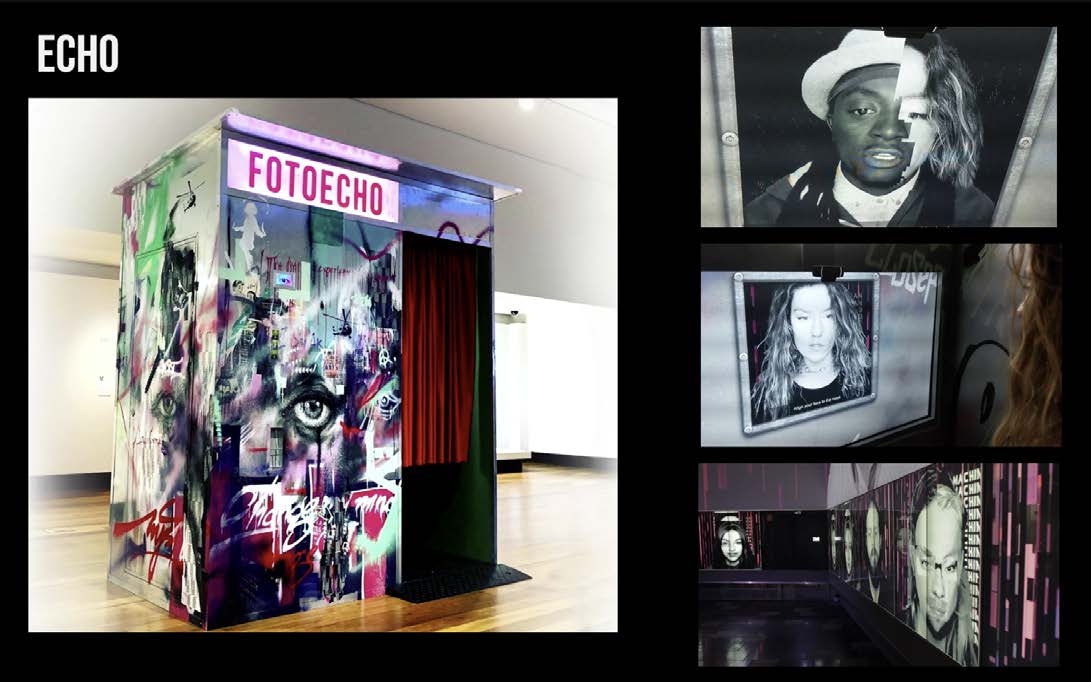
Touring: Australia, South Africa, Austria, Germany, Singapore and the UK. Prix Ars Electronica 2018: Honorary Mention, Interactive Art+. Sheffield Doc/Fest 2019: Best Digital Experience Award. Creator Georgie Pinn; creative producer Kendyl Rossi; developer Jeremy Boulton.
Sources: Ars Electronica 2018; Screen Australia 2019; MIT Docubase. Archive and touring: artist confirmation.
Public value and next application
A shared archive, with stories that can be curated for each event
Personal Stories Create Connection
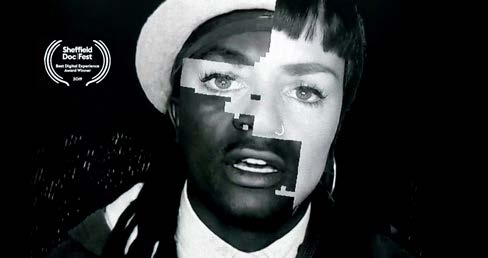
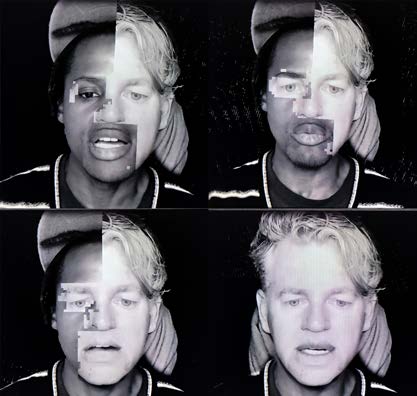
The booth makes another person's experience feel close: their voice and expression become linked with the visitor's face. ECHO uses this embodied exchange as a tool for empathy, inviting recognition, curiosity and conversation across difference.
Music Festivals: Become The Artist
Record songs or personal stories with featured musicians. Visitors choose an artist and watch their own face merge with the performer as the recording plays, creating a personal fan encounter. The story library can be replaced or curated for each festival.
ECHO Empathy Engine / Sheffield Doc/Fest, 2019.
An International Touring Platform
Singapore; Science Gallery Melbourne; Museum of Brisbane; Ars Electronica, Austria; DRIVE Gallery, Berlin; the Barbican, London; Brighton, UK; and Durban, South Africa. Across museums, galleries and festivals, the intimate format carries different voices to new audiences.
Human Rights, Charity And Wellbeing
Curate lived-experience stories for human-rights events, charity campaigns, or mental-health and wellness programmes. The encounter can raise awareness and invite empathy through another person's perspective, with contributor-led storytelling and thoughtful facilitation keeping the experience connected to its purpose.
Audience Intelligence And Business Value
Audience intelligence: Future editions could log selected artists or story themes, completion and time spent, alongside voluntary reflections on connection and audience interests. Story recording, public display, archive reuse and follow-up require distinct permissions.
Business value: Use aggregate choices and feedback to refine event-specific libraries, develop fan engagement or awareness programmes, and plan future cultural, charity and wellbeing partnerships. Commissioned story or song collections can give each presentation a relevant identity and continuing value.
How To Evaluate A Future Commission
- Participation and content
- Count completed encounters, chosen artists or themes and voluntary contributions.
- Connection and reflection
- Ask what visitors recognised, learned or reconsidered; assess response through voluntary feedback.
- Archive and event value
- Review story-library relevance, contributor feedback, agreed reuse and partner referrals.
A Useful Commissioning Step
Choose the event's people, songs or stories, then curate or record its library. Agree artist and contributor permissions, facilitation, archive stewardship and whether new material may feed a future giant-head presentation.
Sources: Ars Electronica 2018; Screen Australia 2019; MIT Docubase. Archive and touring: artist confirmation.